The Bengal Tiger of India
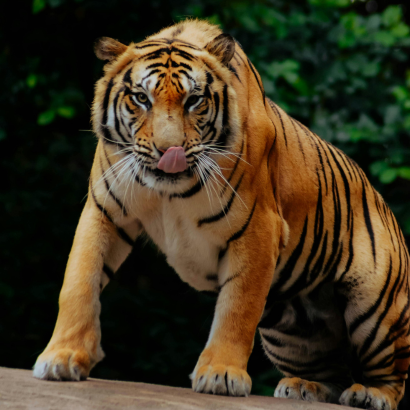
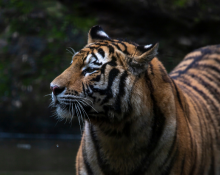
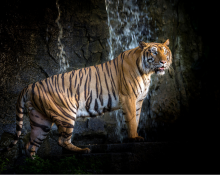
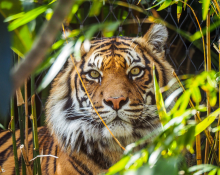
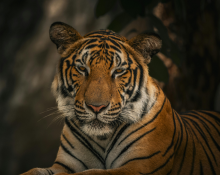
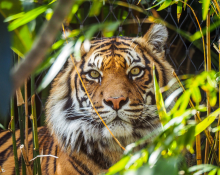
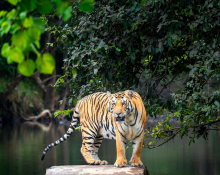
The Bengal tiger, scientifically known as Panthera tigris tigris, is the tiger subspecies found across India and parts of neighbouring South Asia. Every tiger has a unique stripe pattern, much like a human fingerprint, which makes individual animals distinguishable. Their muscular bodies, strong legs, sharp claws, and powerful jaws make them highly skilled predators.
Adult male tigers are generally larger than females, although their size can vary depending on habitat, food availability, and individual genetics. Tigers are solitary animals and usually prefer to live and hunt alone. Females spend considerable time raising their cubs, while adult males typically maintain larger territories that may overlap with those of several females.
Where Do Tigers Live in India?
Tigers are found across several different landscapes in India, from dry deciduous forests and grasslands to tropical forests and swampy habitats. Their ability to adapt to different environments has helped them survive across a wide geographical range.
Some of India’s most famous tiger habitats include Ranthambore National Park, Bandhavgarh National Park, Kanha National Park, Pench National Park, Tadoba-Andhari Tiger Reserve, and Jim Corbett National Park. Each destination provides a different wildlife experience, with variations in landscape, vegetation, climate, and other species.
Ranthambore is particularly famous for its dramatic combination of forests, lakes, grasslands, and historic ruins. Bandhavgarh is known for its rich tiger habitat and excellent opportunities for wildlife enthusiasts. Kanha offers beautiful sal forests and open meadows, while Pench is celebrated for its scenic wilderness. Tadoba is another popular destination for visitors hoping to encounter tigers in the wild.
What Do Tigers Eat?
Tigers are carnivorous predators and play an important role in maintaining the balance of forest ecosystems. Their diet mainly consists of medium- and large-sized herbivores such as deer and wild boar. Depending on the habitat, they may also prey on other suitable animals.
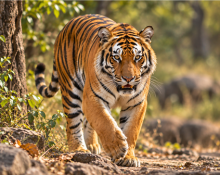
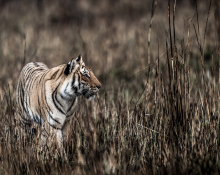
Tigers rely heavily on stealth rather than simply chasing their prey over long distances. Their striped coats provide excellent camouflage among grasses, trees, and shadows. They usually approach their prey quietly before making a powerful short-distance attack.
By controlling populations of herbivorous animals, tigers help maintain a healthy relationship between vegetation and wildlife. This makes them an important apex predator and a key indicator of the overall health of their ecosystem.
Tiger Behaviour and Lifestyle
Tigers are generally solitary and territorial animals. They communicate through scent markings, vocalisations, scratches on trees, and other signs. Territories provide access to food, water, shelter, and potential mates.
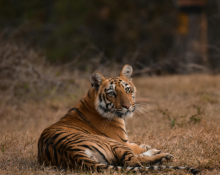
Although tigers are often portrayed as constantly active hunters, they spend a significant amount of time resting. They are particularly active during cooler periods, including early mornings, evenings, and sometimes at night. This is one reason why wildlife safaris are often scheduled during the early morning and late afternoon.
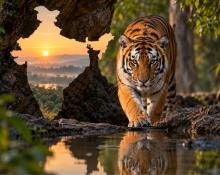
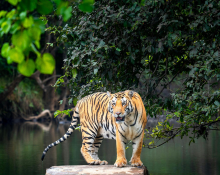
Tigers are also excellent swimmers. They may enter rivers, lakes, and streams to cool themselves during hot weather or move through their territory. In certain habitats, water can be an important part of their daily routine.
Tigers and Their Cubs
Tiger cubs are born after a gestation period of roughly three and a half months. A tigress usually gives birth to a small litter and raises the cubs without assistance from the male.
Young cubs remain dependent on their mother during their early development. The tigress protects them, provides food, and gradually teaches them essential survival skills. As they grow, cubs learn how to move through the forest, recognise danger, and eventually develop hunting abilities.
The relationship between a tigress and her cubs is one of the most fascinating sights that wildlife enthusiasts hope to witness. However, responsible safari practices are essential to ensure that mothers and cubs are never disturbed.
Why Are Tigers Important?
Tigers are much more than beautiful animals to observe on a safari. They are an essential part of healthy forest ecosystems. As apex predators, they help regulate prey populations and contribute to ecological balance.
Protecting tigers also means protecting their habitats. A healthy tiger reserve requires forests, grasslands, water sources, prey animals, and safe corridors between habitats. Consequently, tiger conservation benefits countless other species that share the same ecosystem.
Tiger reserves also support local communities through employment, conservation programmes, responsible tourism, and nature-based livelihoods. When wildlife tourism is properly managed, it can create greater awareness about the importance of protecting forests and wildlife.
Tiger Conservation in India
Tiger conservation in India has developed significantly over the decades. One of the most important milestones was the launch of Project Tiger in 1973, which created a dedicated framework for protecting tiger populations and their habitats.
Today, numerous tiger reserves across India contribute to tiger conservation through habitat protection, wildlife monitoring, anti-poaching measures, scientific research, and community participation. Modern technologies such as camera traps and monitoring systems also help researchers understand tiger populations and movements.
Despite significant conservation progress, tigers continue to face challenges. Habitat fragmentation, human-wildlife conflict, poaching, and the loss of wildlife corridors can affect tiger populations. Continued conservation efforts are therefore essential for ensuring that future generations can experience these magnificent animals in the wild.
Best Time to See Tigers in India
The ideal time for a tiger safari depends on the destination, weather, and park regulations. In many central and northern Indian tiger reserves, the dry months are considered favourable for wildlife sightings because vegetation becomes less dense and animals frequently gather around remaining water sources.
However, every season offers a different experience. Winter can provide pleasant safari conditions and beautiful landscapes, while summer may offer exciting opportunities near water sources. The monsoon season is important for forest ecosystems, although many tiger reserves have seasonal closures or restricted safari operations during heavy rains.
For the best experience, visitors should always check the current rules, opening dates, safari zones, and booking requirements of their chosen reserve before travelling.
Experiencing Tigers on a Jungle Safari
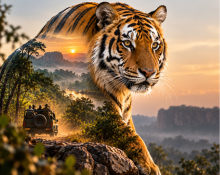
A tiger safari is one of the most exciting ways to experience India’s wilderness. Travellers typically explore tiger reserves in authorised safari vehicles accompanied by trained drivers and naturalists. Rather than guaranteeing a tiger sighting, a responsible safari focuses on experiencing the entire ecosystem.
The excitement begins with tracking signs such as pugmarks, alarm calls, scratch marks, and movement patterns. Sometimes the forest suddenly becomes silent, birds give warning calls, or deer begin staring in one direction. These moments can create incredible anticipation before a tiger finally appears.
Even when a tiger is not spotted, a safari can reveal a fascinating world of deer, langurs, wild boars, crocodiles, birds, reptiles, and countless smaller creatures.
Responsible Tiger Tourism
Responsible tourism is essential for protecting tigers and their habitats. Visitors should follow park regulations, maintain a respectful distance from wildlife, avoid loud noises, and never attempt to attract or disturb animals for photographs.
Wildlife photography should always come second to animal welfare. A memorable tiger encounter is one where the animal behaves naturally and visitors observe it without interference.
Choosing licensed safari operators, following designated routes, respecting forest staff, and supporting conservation-focused tourism can contribute to the long-term protection of India’s wildlife.
Discover the Majesty of India’s Tigers
The Bengal tiger represents the wild spirit of India. From the forests of Ranthambore and Bandhavgarh to the landscapes of Kanha, Pench, Tadoba, and Corbett, these magnificent predators continue to inspire travellers from around the world.
Learning about tigers makes a safari even more meaningful. Their behaviour, hunting skills, family life, habitat, and role in the ecosystem reveal why protecting them is so important. A tiger sighting may last only a few unforgettable moments, but the experience of seeing this magnificent animal moving freely through the Indian wilderness can remain a lifelong memory.
Explore India’s tiger reserves, experience responsible wildlife tourism, and discover the majesty of the Bengal tiger in its natural home.