
Overview
Experience the extraordinary winter wilderness of Ladakh with our Snow Leopard Tour in Leh – 10 Days / 9 Nights, specially designed for wildlife enthusiasts, photographers, nature lovers, and adventure seekers.
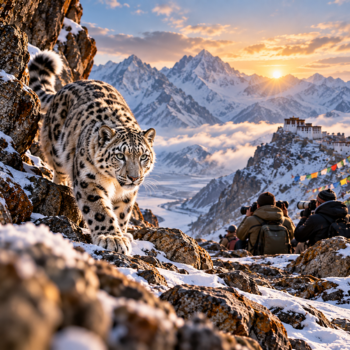
Travel deep into the high-altitude landscapes of Hemis National Park and the surrounding snow leopard habitats, where the elusive snow leopard survives among rugged mountains, frozen valleys, and rocky slopes. Hemis is renowned for its snow leopard habitat and is also home to Himalayan wildlife including bharal, Asiatic ibex, Tibetan wolf, red fox, Himalayan snowcock, and other high-altitude species.
Highlights
- ✓ Search for the elusive Snow Leopard in its natural Himalayan habitat
- ✓ Explore the spectacular wilderness of Hemis National Park
- ✓ Spend dedicated days tracking snow leopards with experienced local trackers
- ✓ Explore the famous Rumbak Valley
- ✓ Visit the snow leopard habitat around Ulley Valley
- ✓ Look for Asiatic ibex, bharal, Tibetan wolf, red fox, and Himalayan birds
Itinerary
Arrive at Kushok Bakula Rimpochee Airport in Leh, one of the world's highest commercial airports.
Meet your local representative and transfer to your hotel.
Leh sits at approximately 3,500 metres above sea level, so the first day is dedicated primarily to rest and acclimatization.
Take plenty of time to relax at the hotel, stay hydrated, and allow your body to adjust to the high altitude. Avoid strenuous activities on arrival day.
In the evening, meet your expedition team for a brief introduction and overview of the upcoming snow leopard adventure.
Enjoy dinner and overnight accommodation in Leh.
Overnight: Leh
Meals: Lunch & Dinner
After breakfast, continue your acclimatization in Leh.
Once you are comfortable with the altitude, enjoy a gentle sightseeing experience around the city. Visit attractions such as Leh Palace, Shanti Stupa, and the local market, depending on weather and your comfort level.
Later, visit a nearby monastery or enjoy a relaxed cultural experience.
Your naturalist or expedition leader will conduct a detailed briefing covering snow leopard behaviour, wildlife photography, tracking techniques, clothing requirements, and safety procedures.
Spend the evening preparing your equipment for the expedition.
Early dinner and overnight stay in Leh.
Overnight: Leh
Meals: Breakfast, Lunch & Dinner
After breakfast, begin a relaxed excursion towards Hemis Monastery and the surrounding region.
Enjoy the dramatic Himalayan landscapes as you travel through the Indus Valley.
Visit Hemis Monastery, one of Ladakh's important Buddhist monasteries, before continuing your cultural and natural exploration.
The region surrounding Hemis is part of the broader snow leopard landscape and supports species such as bharal, Asiatic ibex, Tibetan wolf, red fox, and several high-altitude birds.
Return to Leh in the afternoon.
Spend the remainder of the day preparing your winter clothing, camera equipment, binoculars, and other expedition essentials.
Your naturalist will also review the latest wildlife movement and discuss the tracking strategy for the following days.
Overnight: Leh
Meals: Breakfast, Lunch & Dinner
After an early breakfast, begin your journey towards Rumbak Valley, one of Ladakh's best-known snow leopard tracking areas.
Drive towards the Zingchen region and continue into the spectacular mountain landscape of Hemis National Park.
Depending on road and seasonal conditions, the final approach to Rumbak may involve walking/trekking.
On arrival, settle into your traditional village accommodation or wildlife lodge.
After lunch and some rest, begin your first wildlife observation session around the valley.
Scan rocky slopes, ridgelines, cliffs, and areas where prey species such as bharal and ibex are present.
Your local trackers will look for fresh footprints, scat, movement patterns, and other signs that may indicate recent snow leopard activity.
Return to the lodge or homestay in the evening.
Enjoy a warm dinner and overnight stay in Rumbak.
Overnight: Rumbak
Meals: Breakfast, Lunch & Dinner
Wake up early and prepare for your first full day dedicated to snow leopard tracking.
After breakfast, head out with your experienced tracker and naturalist.
Spend the day slowly scanning the surrounding mountain slopes and valleys. Patience is an essential part of snow leopard tracking, and several hours may be spent observing the same landscape through binoculars or spotting scopes.
Keep an eye out for bharal, Asiatic ibex, red foxes, Tibetan wolves, and Himalayan birds, as their behaviour can sometimes provide useful clues about predator activity.
Enjoy a packed lunch or a warm meal according to the day's conditions.
Continue wildlife observation during the afternoon before returning to your accommodation.
In the evening, discuss the day's sightings with your naturalist and review photographs.
Overnight: Rumbak
Meals: Breakfast, Lunch & Dinner
Begin another early morning tracking session.
Today, your expedition team will focus on areas where recent snow leopard signs or sightings have been reported.
The exact location of the day's search may change according to fresh information from local trackers.
Explore the surrounding valleys and mountain slopes while maintaining a respectful distance from wildlife.
Apart from snow leopard, this is an excellent opportunity to photograph bharal, ibex, red fox, Tibetan wolf, Himalayan snowcock, golden eagle, and other high-altitude wildlife.
Return to your accommodation for lunch and a short rest.
Continue the afternoon tracking session before returning to the village in the evening.
Enjoy dinner and an informal wildlife discussion with your expedition team.
Overnight: Rumbak
Meals: Breakfast, Lunch & Dinner
After breakfast, explore the surrounding region towards Yurutse, subject to weather, trail conditions, and the current wildlife-tracking plan.
The route offers beautiful high-altitude scenery and opportunities to search for mountain wildlife.
Spend time scanning the slopes for snow leopard movement while also looking for Himalayan ibex, bharal, argali, Tibetan wolf, and other species.
For photographers, the dramatic mountains, snow-covered valleys, and wildlife make this one of the most rewarding days of the expedition.
Return towards Rumbak in the afternoon.
Enjoy a warm meal and spend the evening relaxing after the day's adventure.
Overnight: Rumbak
Meals: Breakfast, Lunch & Dinner
After breakfast, begin your return journey from Rumbak towards Leh.
Before leaving the valley, enjoy a final wildlife observation session around the surrounding slopes.
Your trackers will make one last search for fresh signs and movement before the descent.
Continue towards Leh through the dramatic landscapes of Hemis National Park and the Indus Valley.
On arrival in Leh, check in to your hotel and enjoy a well-earned rest.
In the evening, enjoy a farewell dinner with your expedition team and share the highlights of your snow leopard adventure.
Overnight: Leh
Meals: Breakfast, Lunch & Dinner
After breakfast, drive towards Ulley Valley, another important snow leopard tracking region in Ladakh.
Ulley offers a different landscape from Rumbak and is known for opportunities to search for snow leopards along with ibex, Tibetan wolves, red foxes, and high-altitude birds.
Spend the day exploring the valley with your local guide and wildlife trackers.
Depending on fresh wildlife information, the exact tracking areas may change during the day.
Enjoy lunch during the excursion before continuing your wildlife observation.
Later, return towards Leh.
Enjoy your final evening in Ladakh and relax at your hotel.
Overnight: Leh
Meals: Breakfast, Lunch & Dinner
Enjoy breakfast at your hotel.
Depending on your flight schedule, take some time for last-minute shopping or relaxing in Leh.
Later, transfer to Kushok Bakula Rimpochee Airport for your onward flight.
Your unforgettable Snow Leopard Tour in Leh comes to an end with memories of the spectacular Himalayas, Ladakhi culture, and the search for one of the world's most elusive big cats.
Meals: Breakfast
Tour Ends: Leh Airport
Includes/Excludes
Includes
- ✓ Accommodation in Leh hotels and selected wildlife lodges/homestays
- ✓ Daily breakfast, lunch, and dinner during the expedition
- ✓ Airport transfers in Leh
- ✓ Private transportation as mentioned in the itinerary
- ✓ Transportation between Leh and wildlife-tracking areas
- ✓ Experienced local wildlife trackers
- ✓ Naturalist/expedition guide assistance
- ✓ Snow leopard tracking excursions
- ✓ Wildlife observation and photography sessions
- ✓ Sightseeing mentioned in the itinerary
- ✓ Traditional village and cultural experiences as mentioned
- ✓ Applicable accommodation taxes
- ✓ Expedition assistance throughout the tour
Excludes
- ✗ Domestic or international airfare
- ✗ Travel insurance
- ✗ Medical and emergency evacuation expenses
- ✗ Personal expenses such as shopping and laundry
- ✗ Alcoholic beverages and additional drinks
- ✗ Camera or photography equipment
- ✗ Additional sightseeing not mentioned in the itinerary
- ✗ Additional trekking or wildlife activities
- ✗ Tips and gratuities
- ✗ Expenses caused by weather, road closures, flight delays, or other unforeseen circumstances
- ✗ Any service not specifically mentioned under inclusions
Frequently Asked Questions
The main winter snow leopard tracking season is generally from November through April, with the colder winter months being particularly popular for tracking. Dedicated Rumbak winter programmes commonly operate during this period.
Important tracking areas include Hemis National Park, Rumbak Valley, Ulley Valley, and other suitable valleys around Ladakh. The exact location is usually selected according to recent sightings, fresh signs, weather, and wildlife movement.
No. Snow leopards are wild and elusive animals, and sightings can never be guaranteed. The best approach is to allow several dedicated tracking days and remain patient while following the advice of experienced local trackers.
A 9–11 day expedition is generally much more suitable than a short trip because it allows time for acclimatization and several dedicated wildlife-tracking days. Some specialist Rumbak programmes use around 11 days with multiple days dedicated to snow leopard searches.
Yes. Acclimatization is extremely important because Leh is located at very high altitude. This itinerary therefore includes multiple days in Leh before entering the main snow leopard tracking areas.